

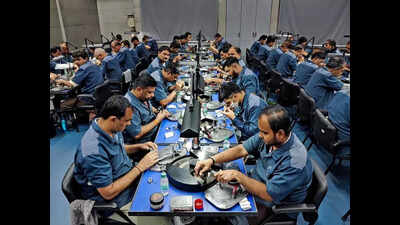
Surat: India will chair the global Kimberley Process Certification Scheme (KPCS) in 2026. The appointment comes amid ongoing discussions over the past three years to expand the definition of conflict diamonds to include human rights abuses, forced labour, systemic violence, environmental damage, and other criteria. Earlier, stakeholders had demanded action against Russian-mined diamonds through the KPCS following Russia’s invasion of Ukraine.Sanctions already imposed by G7 countries and the European Union on Russian-mined diamonds have allowed other producers better access to developed markets. These sanctions followed allegations that diamond revenues were being used to finance the war against Ukraine. Amid global conflicts impacting the diamond trade, India’s role as KPCS chair will be closely watched, particularly as nearly 90% of the world’s rough diamonds are polished in India and Russian rough diamonds account for around 30% of global supply.The Kimberley Process (KP) Plenary has selected India to assume the chairpersonship of the Kimberley Process from Jan 1, 2026. The Kimberley Process is a tripartite initiative involving govts, the international diamond industry, and civil society, aimed at preventing the trade in conflict diamonds—rough diamonds used by rebel groups or their allies to finance conflicts that undermine legitimate govts, as defined in United Nations Security Council resolutions.India will take over as KP vice-chair on Thursday, before assuming the chairpersonship in the new year. This will be the third time India has been entrusted with the chair of the Kimberley Process.Welcoming the decision, union minister of commerce and industry Piyush Goyal said India’s selection reflects global trust in the Modi govt’s commitment to promoting integrity and transparency in international trade.The Kimberley Process Certification Scheme, established pursuant to a UN resolution, came into effect on Jan 1, 2003, and has since evolved into an effective mechanism to curb the trade in conflict diamonds. The Kimberley Process currently has 60 participants, with the European Union and its member states counted as a single participant. Together, KP participants account for more than 99% of the global rough diamond trade, making it the most comprehensive international mechanism governing the sector.Commenting on the development, Kirit Bhansali, chairman of the Gem and Jewellery Export Promotion Council (GJEPC), said, “GJEPC welcomes India’s selection as KP chair for 2026. This reflects the international community’s trust in the Indian govt’s principled and inclusive approach to strengthening the global diamond trade through effective governance of the Kimberley Process.”


